

Solar Power
Certificate Course - Energy Engineering - EE.1.3.I26
| Date | Nov 18 - 19, 2026 | Nov 17 - 18, 2027 |
| Duration | 2 days |
| Location | On campus - Karlsruhe |
| Language | English |
| ECTS | upon request |
| Cost | 1,550€ |

Course prerequisites - Physics, thermodynamics, material sciences, fluid dynamics from the bachelor level, practical technical experience gained during a professional career is helpful, but not obligatory required.
Fundamentals
Provision of fundamental key parameters thermal solar energy. Transmission of the principal capabilities but also their constraints.
Technology
Supply of the essential physical laws, the relationship of the most important parameters and their scaling laws. Analyse different systems options with respect to performance and economics.
Applications
Transfer of the physical understanding in technical solutions (material choice, component fabrication, compilation of components to a system).
What You´ll Explore
- Solar energy potential, radiation behavior, and atmospheric effects on energy yield
- Fundamentals of solar thermal systems, absorber design, and solar concentration methods
- Materials, efficiency, durability, and engineering constraints of solar collectors
- Thermal-hydraulics and thermodynamics for solar power plant component design
- System integration and performance analysis of solar thermal power plants
- Solar thermal power generation technologies and thermal energy storage solutions
Your Key Takeaways
- Gain knowledge of the technical fundaments for the utilization of solar thermal energy, its capabilities and limitations.
- Provisions of physical laws and translation to engineering conditions.
- Acquisition of capability to conduct back-on the envelope calculations on performance limits of solar thermal systems.
- Fundamental understanding of interconnection of technical systems to generate heat and electricity and provisions of skills to identify leading parameters in a technical configuration.
Taught by Recognized Experts in Solar Power
Benefit from the knowledge of leading specialists with extensive experience in research and industry. Their deep expertise guarantees a course of outstanding academic and practical quality.
Prof. Dr. Ron Dagan
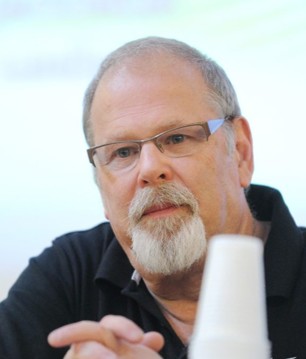
Prof. Dr. Ron Dagan is an adjunct professor of reactor engineering at the Karlsruhe Institute of Technology. He works in nuclear engineering, particularly reactor physics, nuclear safety, and waste disposal. He has authored multiple scientific publications on radionuclides and reactor systems and teaches courses on nuclear energy and reactor technology.
Who Should Attend
This certificate course is designed for professionals seeking a structured introduction to solar thermal power generation and its role in sustainable heat and electricity production.
- Engineers and technical professionals in the energy, mechanical, process, and manufacturing industries who are involved in or preparing for solar thermal energy projects and power plant applications
- Energy consultants, planners, and project managers working on renewable energy strategies, solar thermal installations, and the evaluation of sustainable energy technologies
- Professionals in utilities, infrastructure, and industrial sectors seeking to understand solar thermal power technologies, system integration, thermal energy storage, and performance optimization
- Experts in energy policy, regulation, and public administration who need a solid technical and economic understanding of solar power systems to support energy transition initiatives
- Researchers and academics aiming to deepen their knowledge of solar radiation, solar thermal systems, thermodynamics, thermal-hydraulics, and solar power plant engineering
- Professionals who want a coherent overview from the fundamentals of solar thermal energy to practical applications, system design, economic assessment, and the opportunities and limitations of large-scale solar power deployment