

Pursuing a Doctorate
Explore how your Master’s degree can become a stepping stone toward doctoral research

Continue Your Academic Journey
For graduates who want to deepen their academic expertise, a doctorate can be a meaningful next step. Discover how your M.Sc. from HECTOR School can support your path toward doctoral research - whether full-time or while working - and what you should consider when planning this option.
Can You Work while Doing a Doctorate?
Yes! If your employer supports your research topic and it aligns with your company’s strategic agenda. In such cases, you can structure your doctoral work so that it supports both your professional role and your academic goals.
Why Consider a Doctorate?
A doctorate offers:
- Advanced academic expertise in your field
- Networking with leading researchers and industry experts
- Opportunities to work on innovative, forward-looking topics
- Potential for a career in research, academia, or specialized industry positions
Is a Doctorate Right for You?
Ask yourself:
- Do I have a passion for a scientific topic?
- Does my workplace or a research institution offer access to relevant expertise?
- Am I ready to invest time outside of work hours for research and independent learning?
- Am I open to potential setbacks and willingness to learn from them?
If your answer is “yes”, you’re on the right path.
What a Doctorate Can Offer You
A doctorate is more than a title. It’s a unique chance to push boundaries, solve complex problems, and grow both personally and professionally.
Key benefits include:
- Profound knowledge acquisition in your field
- Collaboration with leading experts and researchers
- Access to international research networks
- Expanded expertise and enhanced career options
- Strengthening of problem-solving and analytical skills
- Potential career opportunities in research, academia, or innovation-driven companies
How Your Company Benefits
Doctoral projects can offer real added value for your employer.
Key benefits for your company include:
- Solutions to technical or process-related challenges
- Innovations that improve products or processes
- Development of in-house expertise and problem-solving skills
- Expansion of external research networks and university collaborations
- Enhanced reputation as an innovation-driven employer
- Long-term talent retention through personal development of high-potentials
Next Steps - How to Start
Start with your interests and your environment:
- Clarify alignment: Ensure your research topic has both scientific relevance and practical applicability.
- Talk to your supervisor and HR: Ask whether your company offers support programs or academic partnerships.
- Identify a university: Find a suitable university and supervisor who is interested in your topic.
- Clarify conditions with your employer: Discuss working hours, confidentiality, and publication rights.
- Apply formally: Once admitted as a doctoral candidate, begin your research under the guidance of your university.
Interviews and Insights from HECTOR School Alumni
Explore stories and career paths of graduates who pursued a doctorate and how they benefit today.
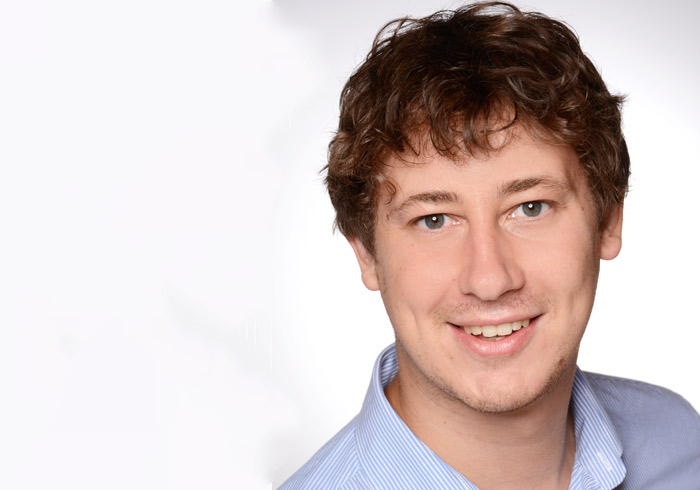
Are you sure you want to spend such a big amount of free time to contribute to science and to improve humankind at least a tiny bit? – Read here why Alumnus Mathias Uta said yes and started a Ph.D.
Read more here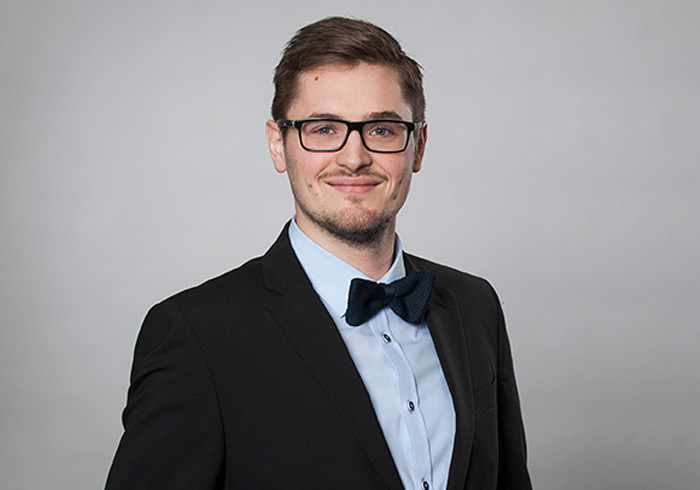
Are you interested to know what it is like to obtain a doctoral degree here at the KIT? Have a look what Alumnus Michael Müller has to say about it.
Read more here
Alumnus and Dr.: Philipp Tallafuss tells you what it is like to get a doctoral degree in Glasgow, Scotland in close cooperation with his company.
Read more here
Are you interested to know what it is like to obtain a doctoral degree as a University Assistant? Have a look what Alumnus Sangram Savant has to say about it.
Read more here

The central contact point at KIT for doctoral researchers.
More about KHYS
Are you the right fit for a doctorate?
Check your readiness