

Energy Efficiency (Supply and Demand Side)
Certificate Course - Energy Engineering - EE.5.4.I26
| Date | Nov 2 - 3, 2027 | Oct 31 - Nov 1, 2028 |
| Duration | 2 days |
| Location | On campus - Karlsruhe |
| Language | English |
| ECTS | Upon request |
| Cost | 1,500 € |

Course prerequisites - Basic knowledge in Fluid Mechanics, Thermodynamics, Technical Combustion, Thermal Power Plants, Thermal Turbomachinery is helpful, but no prerequisite.
Fundamentals
Focuses on energy system efficiency and the goal of reducing fuel use and environmental impact.
Technology
Covers methods and measures to improve efficiency on both energy supply and demand sides.
Applications
Assesses practical potential of efficiency gains in real energy systems and their environmental benefits.
What You´ll Explore
SUPPLY SIDE
-
Historical development of power plant efficiency.
-
Measures to increase power plant efficiency: Gas turbines; Steam power plants; Combined cycle.
-
CCS efficiency penalty.
-
Environmental impact.
-
Integration of renewables: power plant flexibility and part load efficiency.
DEMAND SIDE
-
Challenges and role of energy efficiency.
-
Policy framework.
-
Modelling of energy demand and energy efficiency potentials.
-
Efficiency measures in demand sectors.
-
Demand side management.
Your Key Takeaways
-
View energy supply from new and different perspectives
-
Connect technical energy concepts with business and economic aspects
-
Learn the historical development of energy efficiency
-
Understand how energy efficiency is measured
-
Study improvements in the performance of supply units
-
Explore flexibility options on the energy supply side
-
Learn how renewable energies are integrated into energy systems
-
Examine energy efficiency in different demand sectors
-
Understand modeling approaches for energy efficiency measures
-
Identify obstacles to improving energy efficiency
-
Explore possible solutions to overcome these obstacles
-
Develop a broader understanding of energy efficiency in general
Taught by Recognized Experts in Energy Efficiency (Supply and Demand Side)
Benefit from the knowledge of leading specialists with extensive experience in research and industry. Their deep expertise guarantees a course of outstanding academic and practical quality.
Dr. Patrick Plötz
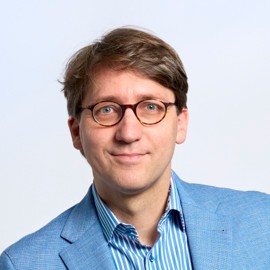
Dr.-Ing. Patrick Plötz is a senior energy researcher, affiliated with the Fraunhofer Institute for Systems and Innovation Research (ISI), where he leads the business unit Energy Economics. His research focuses on energy systems analysis, electrification of transport, CO₂ mitigation, and energy market transformation. He is involved in national and international research projects and teaches topics related to energy economics, mobility transition, and quantitative energy system modelling.
Dr. Marian Klobasa

Dr. sc. Marian Klobasa is a researcher and lecturer at the Karlsruhe Institute of Technology (KIT) and affiliated with Fraunhofer ISI, where he leads the business unit Energy Management and Smart Grids. He studied mechanical engineering at the University of Karlsruhe and earned his doctorate from ETH Zürich. His work focuses on energy systems analysis, integration of renewable energies, demand response, smart grids, electricity markets, and load management. He has long-standing experience in applied energy policy research and modelling of future energy systems.
Who Should Attend
This certificate course is designed for professionals seeking a structured introduction to the integration of energy systems and e-mobility within the context of sustainable energy transition.
- Engineers and technical professionals in the energy, automotive, electrical, and manufacturing industries who are involved in or preparing for projects related to e-mobility, charging infrastructure, and integrated energy systems
- Energy consultants, planners, and project managers working on renewable energy integration, smart charging solutions, and sector coupling strategies
- Professionals in utilities, grid operation, transportation, and infrastructure sectors seeking to understand the interaction between electric mobility, energy efficiency, and modern power systems
- Experts in sustainability, mobility, and public administration who need a solid technical and economic understanding of e-mobility integration and its impact on energy networks and climate goals
- Researchers and academics aiming to deepen their knowledge of energy efficiency methodologies, electric mobility systems, and current research trends in integrated energy solutions
- Professionals who want a coherent overview from the fundamentals of energy system integration to practical applications, evaluation methods, and the opportunities and challenges of large-scale e-mobility deployment