

Components of Power Systems
Certificate Course - Energy Engineering - EE.4.2.I26
| Date | Jul 22 - 23, 2027 |
| Duration | 2 days |
| Location | On campus - Karlsruhe |
| Language | English |
| ECTS | Upon request |
| Cost | 1,550 € |

Course prerequisites - Helpful knowledge, but no formal prerequisite: Basic knowledge in electrical engineering or similar, basics in high voltage engineering and power system engineering with basic knowledge in the following topics.
-
Static electric and magnetic fields, basic equations and dimensions.
-
Network analysis.
-
Physical background of electrical discharges in air
Fundamentals
Covers working principles of power grid components and their interconnections at a high-level overview.
Technology
Explains technical details, specifications, and quality aspects of key power grid components.
Applications
Supports understanding of how grid components function together within real power networks.
What You´ll Explore
-
Setup and working principles of key transmission and distribution grid components.
-
Focus on substation technology, power transformers, instrument transformers, circuit breakers, insulators, insulation coordination, and surge arresters.
-
Detailed explanation of overhead transmission lines and cable connections, including associated components.
-
Overview of different substation designs (AC air-insulated, SF₆-insulated, HVDC) with their advantages, disadvantages, and application ranges.
Your Key Takeaways
-
Function, stresses and design aspects on the main components in power grids.
-
Materials and material properties used in high voltage equipment.
-
Amount of value of the different components.
-
Substation technology and operation principles.
-
Transmission line technologies.
-
Main aspects of substation construction including measures for personnel safety.
Taught by Recognized Experts in Components of Power Systems
Benefit from the knowledge of leading specialists with extensive experience in research and industry. Their deep expertise guarantees a course of outstanding academic and practical quality.
Thomas Hammer
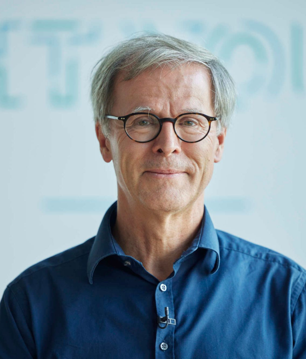
Thomas Hammer is a senior Siemens expert based in Erlangen, with more than 36 years of experience in research and development for power systems, grid asset design, and sustainable energy technologies. His work has focused on switching technology, decentralized energy systems, renewable integration, and the digitalization of power grids. He holds a doctorate in Physics from Leibniz University Hannover and is recognized for connecting deep technical expertise with practical industry perspective.
Who Should Attend
This certificate course is designed for professionals seeking a structured introduction to the integration of energy systems and e-mobility within the context of sustainable energy transition.
- Engineers and technical professionals in the energy, automotive, electrical, and manufacturing industries who are involved in or preparing for projects related to e-mobility, charging infrastructure, and integrated energy systems
- Energy consultants, planners, and project managers working on renewable energy integration, smart charging solutions, and sector coupling strategies
- Professionals in utilities, grid operation, transportation, and infrastructure sectors seeking to understand the interaction between electric mobility, energy efficiency, and modern power systems
- Experts in sustainability, mobility, and public administration who need a solid technical and economic understanding of e-mobility integration and its impact on energy networks and climate goals
- Researchers and academics aiming to deepen their knowledge of energy efficiency methodologies, electric mobility systems, and current research trends in integrated energy solutions
- Professionals who want a coherent overview from the fundamentals of energy system integration to practical applications, evaluation methods, and the opportunities and challenges of large-scale e-mobility deployment