

Service Design Thinking
Certificate Course - Information Systems Engineering - ISE.5.2DS.I25
| Date | Oct 30 - Nov 3, 2026 |
| Duration | 3 days |
| Location | On campus - Karlsruhe |
| Language | English |
| ECTS | upon request |
| Cost | 2,050€ |

Technology
The course uses no specific tools focus, but applies structured Design Thinking methods in practice.
Applications
Practical exercises address a small real-world innovation challenge through iterative Design Thinking.
What You'll Explore
Service Design Thinking:
- Historical perspective on design thinking
- The general Design Thinking idea
- The Design Thinking micro-cycle and macro process
- Service specifics to Design Thinking
- Software support for conducting Service Design Thinking projects.
The Design Thinking micro cycle:
- (Re-)Defining the service design challenge
- Need-finding and Synthesis
- Ideation and creativity
- Prototyping
- Testing
Your Key Takeaways
Participants
- understand the importance, advantages and limitations of a human-centered innovation approach
- are familiar with the design thinking process in general, and the role of need finding and prototyping in particular
- understand the specifics of service design thinking
- build up a broad spectrum of design thinking specific tools and techniques
- gain practical experience by applying the design thinking approach to service innovation challenge
Taught by Recognized Experts in Service Design Thinking
Benefit from the knowledge of leading specialists with extensive experience in research and industry. Their deep expertise guarantees a course of outstanding academic and practical quality.
Dr. Niels Feldmann
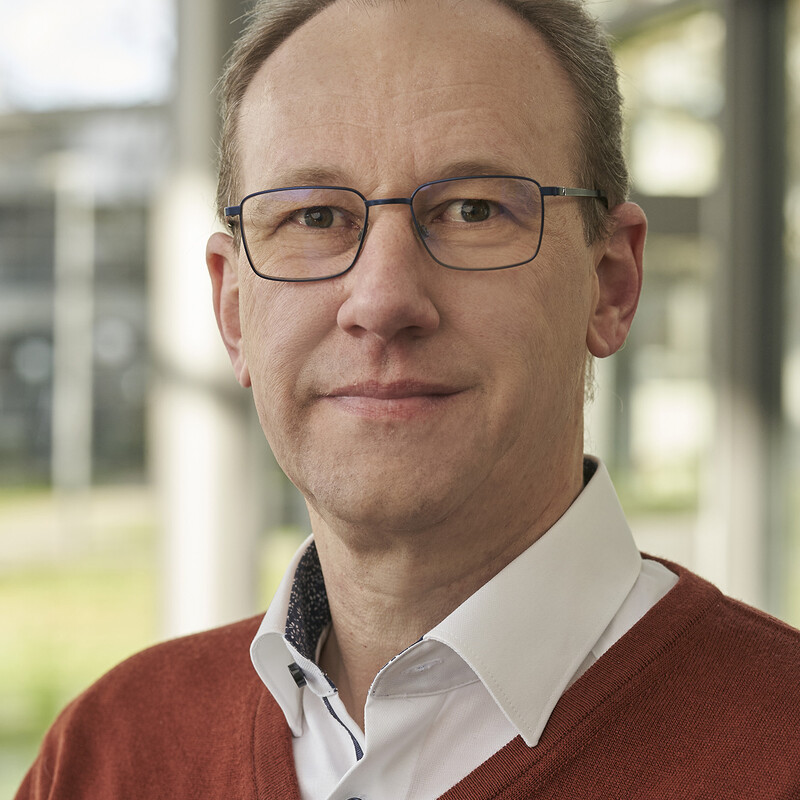
Dr. Niels Feldmann is a researcher at the Karlsruhe Institute of Technology (KIT) in the Digital Service Innovation group. His work focuses on human-centered design of digital services, data-driven business models, AI-supported creativity, and open, collaborative innovation. He leads the Service Design Thinking program and the Digital Service Design & Innovation Lab at KIT. With a background in consulting at IBM Germany, he brings international industry experience in innovation and transformation projects. His research and teaching connect business, technology, and design to shape future digital services and entrepreneurial ecosystems.
Who Should Attend
This course is particularly beneficial for professionals in the following fields:
-
Service designers and UX/UI professionals
Practitioners focused on human-centered design who want to apply structured Design Thinking to digital service innovation. -
Product managers and product owners
Professionals responsible for defining value propositions, prioritizing features, and validating concepts through rapid prototyping and testing. -
Innovation managers and digital transformation leaders
Leaders driving new digital services, customer experience initiatives, and organizational change. -
Business analysts and consultants
Professionals translating user needs into service concepts and facilitating co-creation across multi-stakeholder environments. -
IT and software professionals
Engineers, architects, and delivery teams who want to integrate Design Thinking practices into discovery, solution design, and iterative development. -
Entrepreneurs and intrapreneurs
Individuals building new service offerings or ventures and seeking a practical, user-centered innovation approach. -
Researchers and early-career academics
Researchers, PhD candidates, and academic staff interested in methods and tools for service innovation and human-centered design.
About HECTOR School
HECTOR School, the Technology Business School of the Karlsruhe Institute of Technology (KIT), is a leading provider of executive education in technology-driven fields.
For this course, participants who successfully complete the examination can earn a KIT certificate with ECTS credits, which may be credited toward our Executive Master of Science or Advanced Studies Programs, subject to content alignment.