

Energy Storage: H2-Storage
Certificate Course - Mobility Systems Engineering - MSE.4EM.5.I25
| Date | Jul 15, 2026 |
| Duration | 1 days |
| Location | On campus - Karlsruhe |
| Language | English |
| ECTS | upon request |
| Cost | 990€ |
Fundamentals
Introduces fundamentals of hydrogen as an energy carrier, binding principles, and storage methods. Covers basic thermodynamics and safety aspects relevant to H2 storage.
Technology
Examines physical storage (compressed/liquid H2) and solid-state storage via physisorption, chemisorption, and metal/complex hydrides, including thermodynamics and kinetics.
Applications
Highlights H2 storage use cases in mobility and stationary systems, with selection criteria by application and practical safety and handling considerations.
What you'll explore
- The role of hydrogen in future energy systems and the increasing need for energy storage
- Properties of hydrogen and binding principles relevant to storage
- Methods for hydrogen storage: physical storage (compressed and liquid), solid-state storage by physisorption and chemisorption, and chemical storage pathways
- Metal hydrides and complex hydrides: types, thermodynamics, kinetics, and behavior at the nanoscale
- Application-oriented selection of storage methods for mobility and stationary use cases
- Hydrogen safety: background, incidents, general considerations, and safe handling of metallic and complex hydrides
Your key takeaways
Participants
- Understand the fundamentals of hydrogen as an energy carrier and key storage principles.
- Differentiate between physical, solid-state, and chemical storage options and assess their trade-offs.
- Recognize the thermodynamic and kinetic aspects of (complex) metal hydrides and implications for design.
- Select suitable H2 storage concepts for mobility and stationary applications based on requirements.
- Apply best practices for safety and handling of hydrogen and hydride materials.
Taught by recognized experts in Energy Storage
Benefit from the knowledge of leading specialists with extensive experience in research and industry. Their deep expertise guarantees a course of outstanding academic and practical quality.
Prof. Dr. Maximilian Fichtner
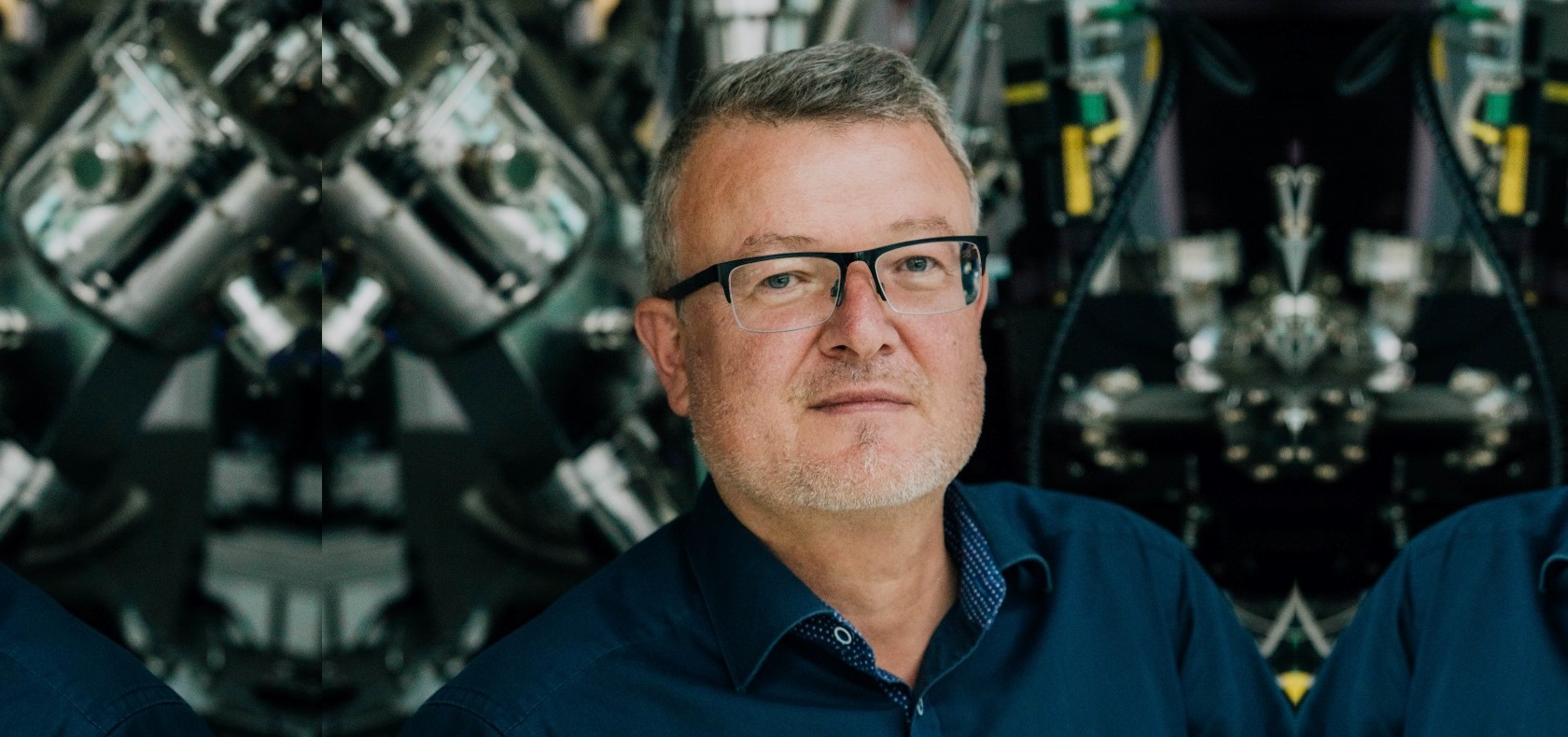
Prof. Dr. Maximilian Fichtner is Chair of Energy Storage Systems at Karlsruhe Institute of Technology (KIT) and spokesperson of the Excellence Cluster POLiS. His research focuses on advanced energy storage materials, including nanostructured and solid-state systems for next-generation batteries beyond lithium. He leads major international initiatives such as CELEST and BATTERY2030+, shaping the future of electrochemical energy storage. With decades of experience in materials chemistry and nanotechnology, he bridges fundamental research and large-scale energy innovation to enable sustainable and high-performance storage solutions.
Who should attend
- Engineers and technical professionals in mobility and energy systems working on hydrogen technologies and storage integration.
- R&D specialists and system integrators evaluating H2 storage options for vehicle or stationary applications.
- Project managers and consultants seeking a compact, application-oriented overview of H2 storage methods and safety.
- Researchers and early-career academics in materials, electrochemistry, and energy storage.
Advance your career with KIT-level expertise
Benefit from the reputation of the Karlsruhe Institute of Technology (KIT) while gaining practical skills, flexible learning opportunities, and a recognized certificate to support your long-term professional growth
Flexibility
Gain focused expertise in a specific field without committing to a full degree program, allowing you to build relevant knowledge efficiently and integrate learning seamlessly into your professional routine.
Relevance
Benefit from high-quality academic content combined with practical insights, delivered by experienced experts, supporting continuous, lifelong learning while ensuring direct applicability in real-world scenarios.
Advancement
Enhance your professional profile with a recognized certificate, demonstrating your commitment to ongoing development and supporting your career with tangible, verifiable credentials.
About HECTOR School
HECTOR School, the Technology Business School of the Karlsruhe Institute of Technology (KIT), is a leading provider of executive education in technology-driven fields.
For this course, participants who successfully complete the examination can earn a KIT certificate with ECTS credits, which may be credited toward our Executive Master of Science or Advanced Studies Programs, subject to content alignment.